
'Barbie' Review: Doll in Plastic Gets a Greta Gerwig Grounding in Kentastic Postmodern Campy Romp
Barbie
PG-13: Suggestive references and brief language
Runtime: 1 Hour and 54 Minutes
Production Companies: Heyday Films, LuckyChap Entertainment, NB/GG Pictures, Mattel Films
Distributor: Warner Bros. Pictures
Director: Greta Gerwig
Writers: Greta Gerwig, Noah Baumbach
Cast: Margot Robbie, Ryan Gosling, America Ferrera, Kate McKinnon, Issa Rae, Rhea Perlman, Will Ferrell, Hari Nef, Alexandra Shipp, Emma Mackey, Sharon Rooney, Dua Lipa, Nicola Coughlan, Ana Cruz Kayne, Ritu Arya, Kingsley Ben-Adir, Simu Liu, Scott Evans, Ncuti Gatwa, John Cena, Emerald Fennell, Michael Cera, Ariana Greenblatt, Jamie Demetriou, Connor Swindells, Ann Roth
Release Date: July 21, 2023
Only in theaters
This piece was written during the 2023 WGA and SAG-AFTRA strikes. Without the labor of the writers and actors currently on strike, the [series/movie/etc.] being covered here wouldn't exist.
Since Barbie's co-writer and boo-thang Noah Baumbach directed and co-wrote her breakout hit, Frances Ha, Greta Gerwig has been on an endless winning streak. Her writing credits include Mistress America, and her directorial works Lady Bird and Little Women touched millions of women’s souls through her raw relatability of girlhood, its chaotic tribulations through various points in life (adolescence or early adulthood), and the plight of existing. So when WB announced that Gerwig was helming Barbie—two distinctive entities that sound so distant—nobody knew what to expect, but we were sold anyway. What we got was the most stylistically ambitious and tonally loose film Gerwig has done to date. However, she still retains her signature voice.
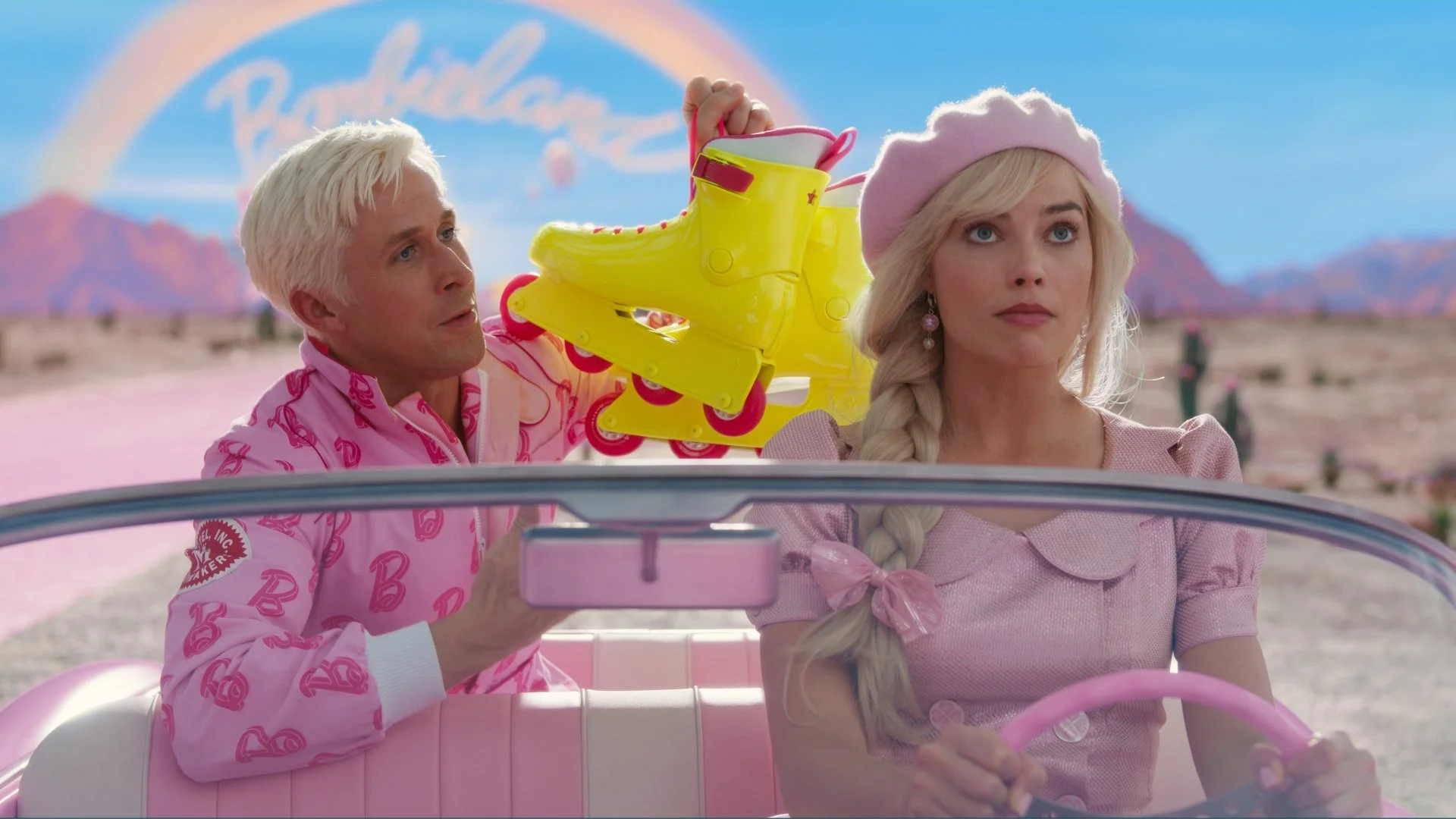
Enter Barbieland, a pink-hued, plastic-filled utopia where every kind of Barbie—President (Issa Rae), writer (Alexandra Shipp), physician (Emma Mackey), lawyer (Sharon Rooney), Mermaid (Dua Lipa) and Ken (Ryan Gosling), Ken (Simu Liu), Ken (Kingsley Ben-Adir), Ken (Ncuti Gatwa), and Allan (Michael Cera) live in harmony. One Barbie (Margot Robbie) experiences existential and depressive thoughts about death. After she outgrows the joy of her fellow Barbies, she turns to weird Barbie (Kate McKinnon), who reveals that she's connected to a real-life girl playing with her. The stereotypical Barbie and her clingy stowaway Ken journey through Barbieland and Venice Beach in search of her user, Sasha (Ariana Greenblatt). Also found is her mom Gloria (America Ferrera), a Mattel employee. During their journey through Venice Beach, Barbie and Ken discover their innermost desires that affect their personalities.
Much like the Barbie IP, Gerwig's approach possesses many identities and fires on multiple cylinders. Her and Baumbach's screenplay bears a fanciful early 2000s campy energy reminiscent of Harry Elfont and Deborah Kaplan's criminally underrated Josie and the Pussycats. It’s full of irreverent and aware postmodernism but never reaches obnoxious levels like any given Ryan Reynolds film. Instead, its comedy stems from the existentialist dread its lead, Margot Robbie Barbie, feels amid her satirical happy-go-lucky surroundings. Gerwig and Baumbach dig into their wittiest, youthful selves and offer goofy absurdist humor, leaving you feeling an existentialist dread stronger than Baumbach’s White Noise. The film maintains its silly demeanor even when Barbie and Ken enter Venice Beach and embark on their journeys of self-discovery. When Will Ferrell enters the fray as Mattel's CEO, he conveys a hilarious message about male dominance in our reality.
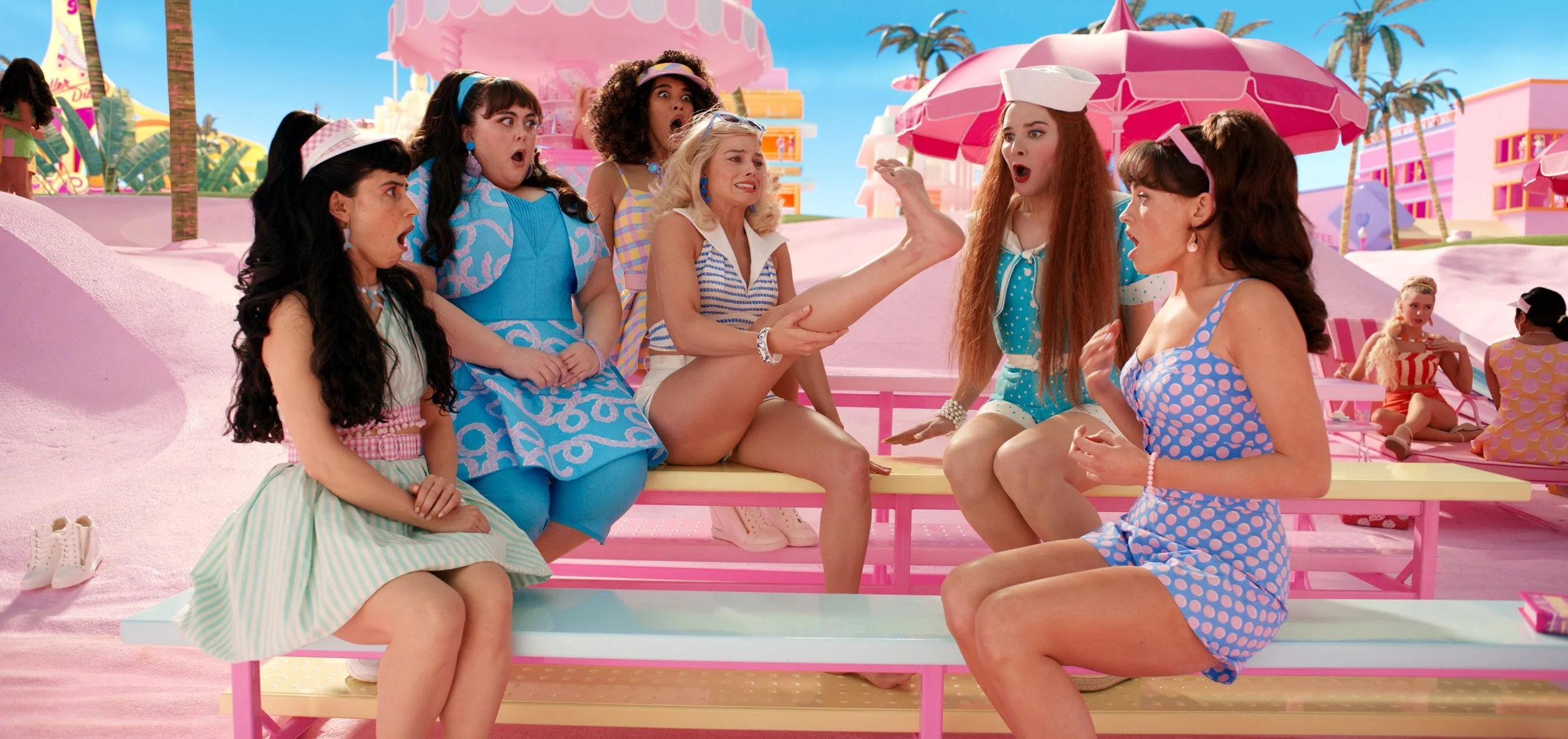
Barbie's attributes tie to perfectionist constructs in their physical, occupational, and mental states, and the film knows it. So Robbie's Barbie experiences unwanted existential thoughts and body blemishes, along with having the traits of the quintessential Gerwig lead (an average woman with significant self-awareness who wants to find her place in the world), striking a fascinating conflict. While Gerwig has been in her existential bag many times in her prior works, with Barbie, she ambitiously applies a larger-than-life dissertation about Barbie's influence on girls since her inception and with a contemplative attitude. Furthermore, she balances her feminist discussions without blatantly pushing the "girl boss" needle too far. Gerwig flirts with it at times, but the consistent self-awareness in the screenplay, cohesive satirical wit, and a standout performance by America Ferrera—whose character Gloria represents the everywoman and has a showstopping monolauge that rivals Saoirse Ronan's WOMEN from Little Women—all prevent its feminist elements from coming across as overbearing and heavy-handed. She finds the sweet spot in commentary discussing women living in a masculine, patriarchal society very straightfoward and silly. Seriously, Ferrera is that cathartic Gerwig mouthpiece—in the everywoman sense not like race, Cc: Sam Levinson—discussing the exhaustion of being a woman, and she delivers it so powerfully it makes you want to get up and salute her. Ferrera is the America I believe in!
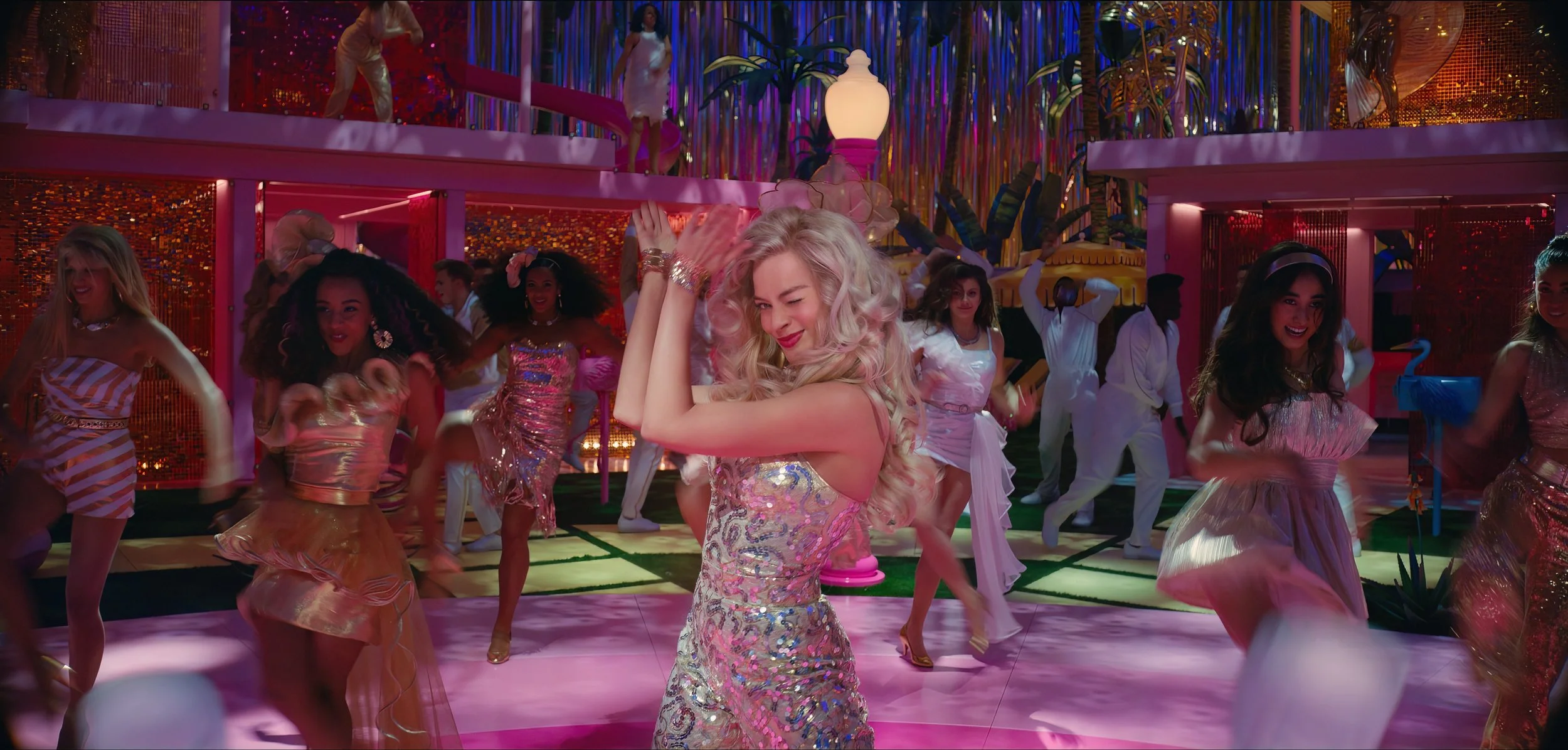
The production design and set decoration provided by Sarah Greenwood and Katie Spencer, respectively, further Gerwig's childlike vision, providing the finest production design this year. In a time when Hollywood's green screen thirst prevails, Greenwood and Spencer double down on pink and practicality. They create large-scale realistic sets that embody Barbie toy sets with plastic-textured objects and backgrounds, and each minute captures that whimsical feeling and imagination of being a young kid playing with Barbies. Gerwig's vision and playing in-depth with scale and scope encapsulates what cinema is all about with incredibly filmed musical sequences and tight choreography that leaves you breathless.
The "I'm Just Ken" number is on another wavelength of perfection that harkens to the Grease and Anchors Aweigh days of musical cinema. That was when queer flamboyance and classical masculinity walked hand in hand.
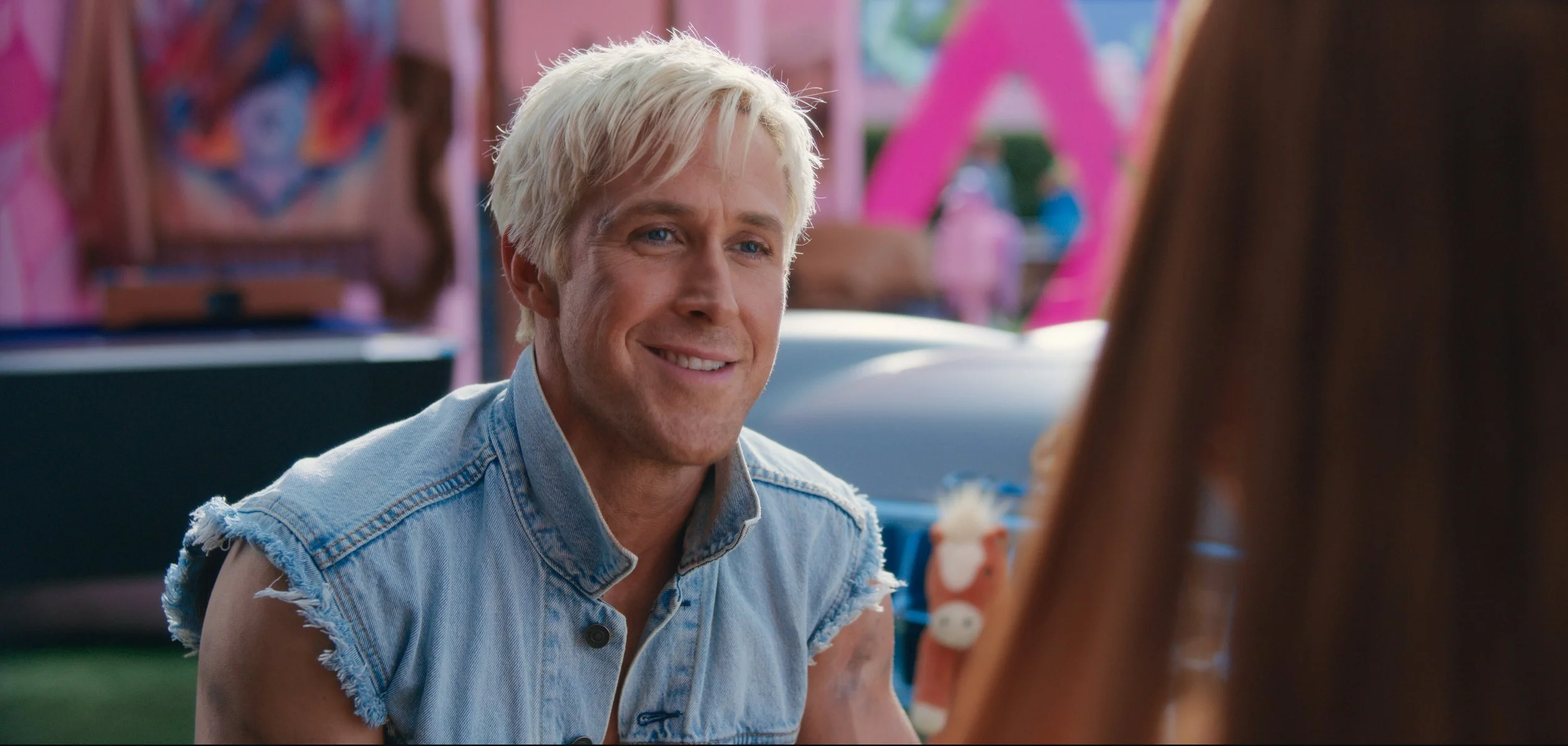
Speaking of Ken, Ryan Gosling delivers a career-defining performance. He steals the show every time he's onscreen with comic obliviousness, the immaturity from The Nice Guys, and the youthful energy from his childhood dance competition days. He gives 100%, resulting in an Oscar-worthy performance. As his Ken progresses from a clingy man-child to a manly man-child, Gosling provides endless boyish charm and peak comic timing. Every minute Ken is onscreen desperately pining for Barbie’s attention, he left me in stitches.
Barbie benefits from a star-studded cast as colorful and diverse as every fighting game roster. But Barbie is Margot Robbie's dazzling pink show, and she is astounding. She performs with endless charm and tenderness. Robbie's comedic strengths are profound, as she exhibits wavering existentialism and curiosity. The generosity and interest that make up her Barbie are so riveting that the emotions she experiences push you to shed Pixar-type tears. Don't get me started on the moments Robbie's tear alone made me sob many times. Between her and Bluey, Australian dominance in entertainment improves our livelihoods.

Barbie is too overwhelming to take in all at once. It’s not overstuffed, but Gerwig and Baumbach shoot a barrage of ideas and elements in its meta-romp existential dissertation on gender norms and life, and some don’t land. There’s a moment when the film makes it seems as if Will Ferrell’s Mattel CEO character would become a threat, but along the second act, he takes a prolonged absence. By the time Ferrell returns, you forget he was even there in the first place. Plus, he serves nothing outside a subversion to the evil CEO trope. But in the Zaslav era of WBD, it feels like an enforced demand from the Zaz man himself.
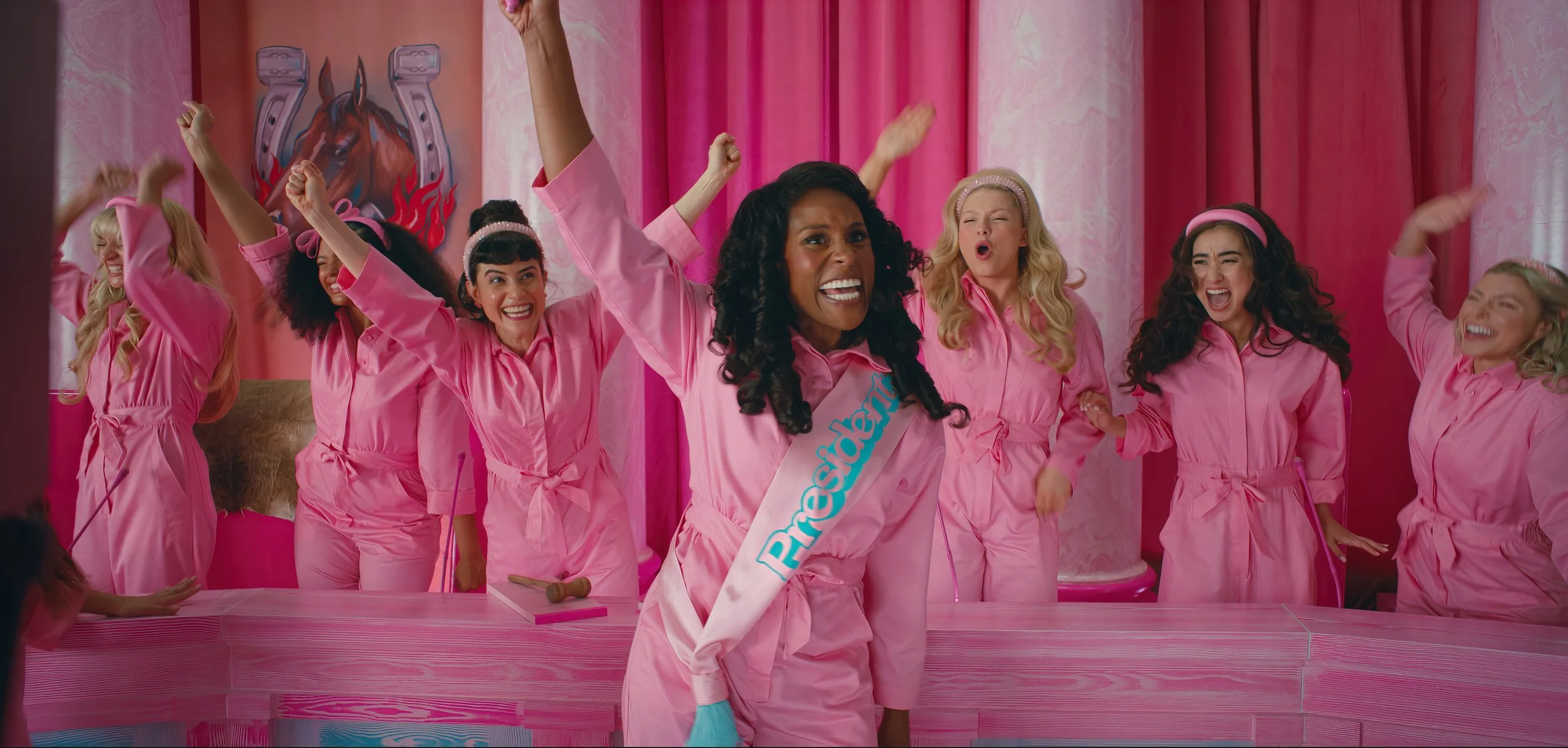
Also, there’s not enough Issa Rae President Barbie. She slayed, she served, and she needed more screen time.

Like the doll, Greta Gerwig's Barbie ambitiously takes on many hats and slays flawlessly. It's an entertaining, whimsical romp with lavish production design, superb performances by Robbie and Gosling, and has a thoughtful, cerebral undertone. Once again, Greta Gerwig proves she is one of today's finest filmmakers. She turns everything into gold and give you an existential crisis with it. This time gold came in pink.

